
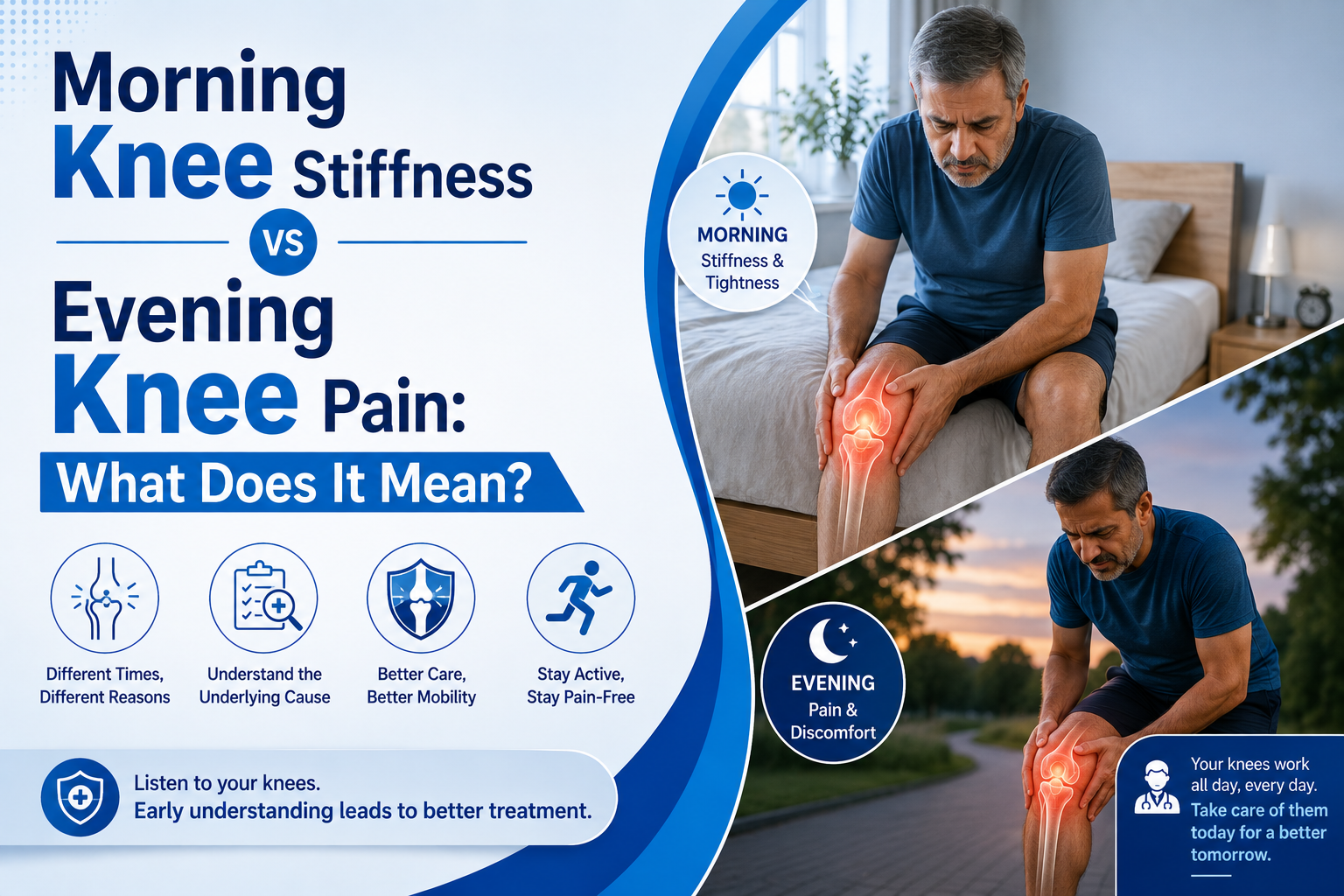
Morning Knee Stiffness vs Evening Knee Pain: What Does It Mean?
Knee pain does not always feel the same throughout the day. Some people wake up with stiff knees that improve after moving around, while others experience increasing discomfort by the evening after a long day of activity. Understanding Morning Knee Stiffness vs Evening Knee Pain: What Does It Mean? can help identify the underlying cause and determine when medical treatment is necessary. Although occasional stiffness or pain may not be serious, persistent symptoms should never be ignored, especially if they interfere with daily activities.
If knee discomfort continues for weeks or is associated with swelling, instability, or difficulty walking, consulting an experienced orthopedic specialist can help identify the exact cause and recommend the most appropriate treatment.
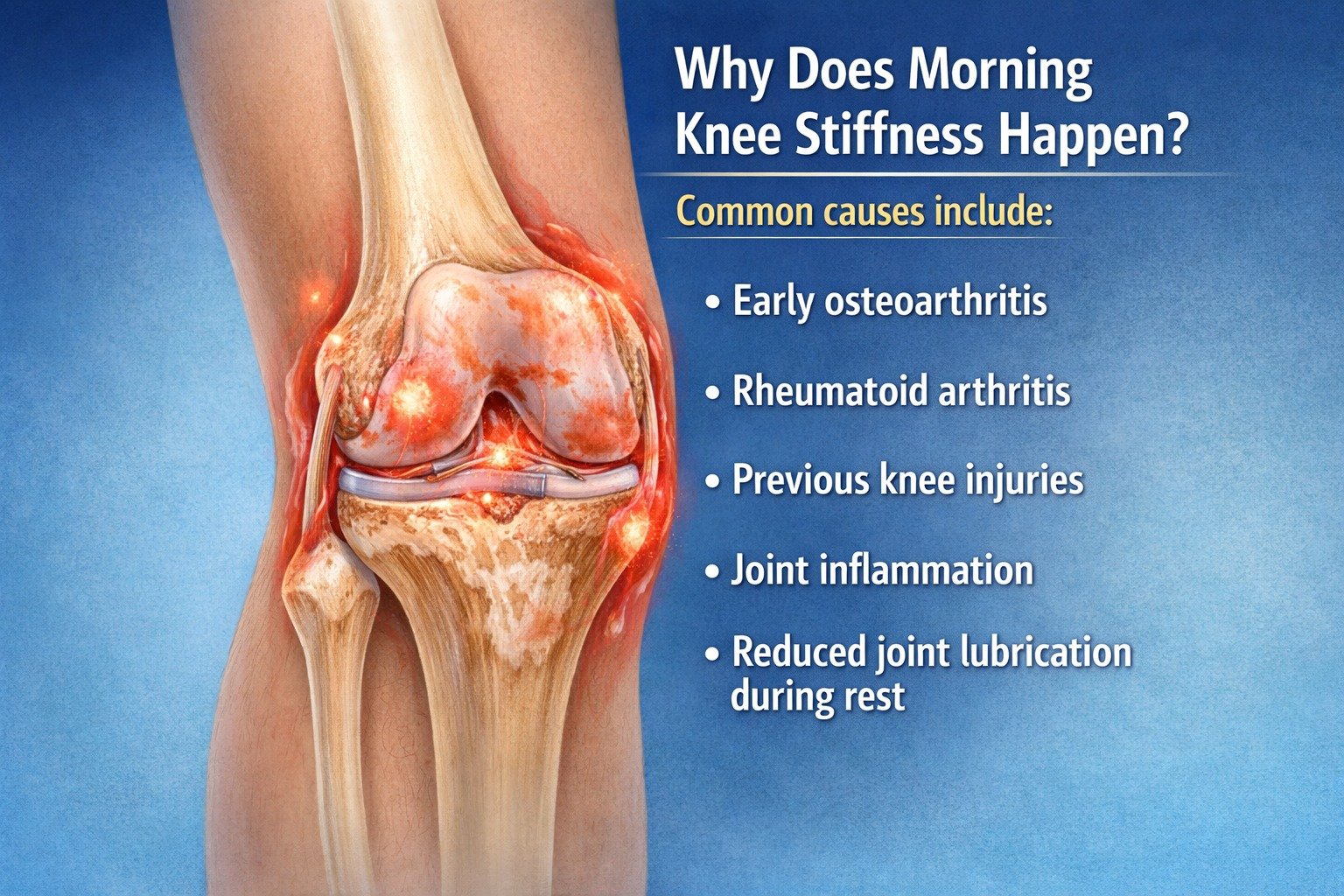
Why Does Morning Knee Stiffness Happen?
Morning knee stiffness is a common complaint, particularly among adults over the age of 40. It usually occurs because the joints remain inactive for several hours during sleep.
Common causes include:
- Early osteoarthritis
- Rheumatoid arthritis
- Previous knee injuries
- Joint inflammation
- Reduced joint lubrication during rest
Most people notice that stiffness improves within 15–30 minutes after walking or performing gentle stretching exercises.
However, if stiffness lasts longer than an hour every morning, it may indicate inflammatory arthritis or significant cartilage damage requiring medical evaluation. Consulting an experienced orthopedic doctor can help determine the underlying cause and ensure you receive the right treatment before the condition progresses.
What Causes Evening Knee Pain?
Unlike morning stiffness, evening knee pain often develops because the knee has been working throughout the day.
Common reasons include:
- Osteoarthritis
- Cartilage wear and tear
- Muscle fatigue
- Ligament strain
- Meniscus injuries
- Overuse from standing or walking
Pain generally becomes worse after prolonged activity because damaged joints experience increased pressure throughout the day. People whose jobs require standing for several hours often notice worsening pain by nighttime.
Morning Stiffness vs Evening Pain: Understanding the Difference
The timing of knee symptoms often provides valuable clues.
Morning Knee Stiffness
- Improves after movement
- Feels like the knee is “locked”
- Usually lasts a few minutes
- Common in arthritis
Evening Knee Pain
- Worsens after activity
- May include swelling
- Often feels like aching or throbbing
- Common in osteoarthritis and overuse injuries
Knowing the difference helps orthopedic surgeons determine the underlying problem more accurately.
Could Osteoarthritis Be the Cause?
Osteoarthritis is one of the leading causes of both morning stiffness and evening pain.
As cartilage gradually wears away:
- Bones begin rubbing together
- Joint inflammation develops
- Movement becomes painful
- Knee flexibility decreases
Initially, patients may only experience stiffness in the morning. As arthritis progresses, pain often becomes more severe during the evening after physical activity.
Many patients delay treatment because symptoms come and go, but early intervention can significantly slow disease progression. If you are experiencing persistent joint pain or stiffness, visit our trusted Orthopedic Hospital for an accurate diagnosis and personalized treatment. Find our location here:
When Should You Be Concerned?
You should seek orthopedic consultation if you experience:
- Pain lasting more than two weeks
- Persistent morning stiffness
- Swelling around the knee
- Difficulty climbing stairs
- Knee locking or catching
- Clicking sounds with pain
- Inability to fully straighten the knee
- Knee instability
Early diagnosis often prevents further joint damage.
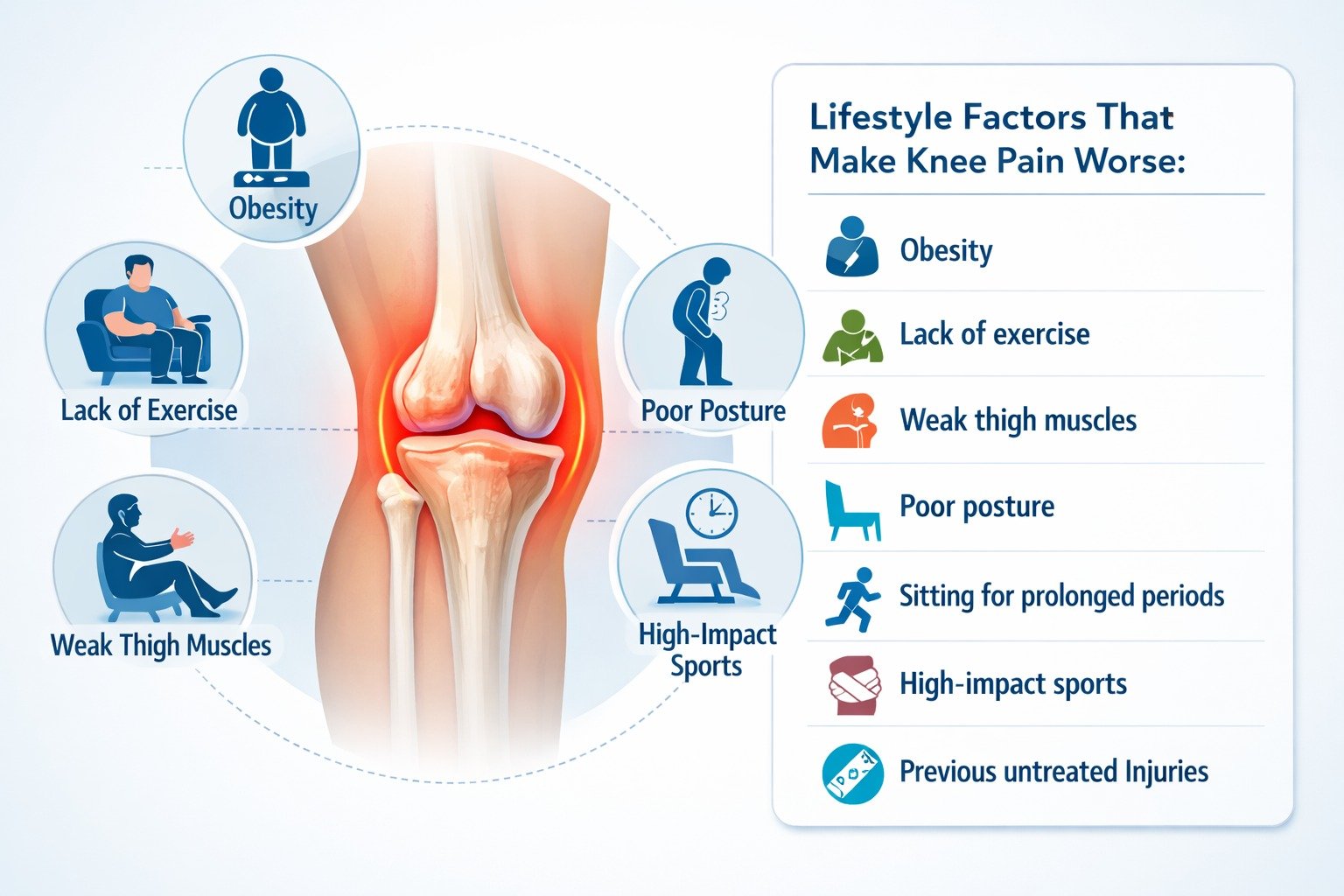
Lifestyle Factors That Make Knee Pain Worse
Several daily habits contribute to worsening knee symptoms.
These include:
- Obesity
- Lack of exercise
- Weak thigh muscles
- Poor posture
- Sitting for prolonged periods
- High-impact sports
- Previous untreated injuries
Simple lifestyle modifications often reduce discomfort significantly.
Home Remedies That May Help
Mild symptoms can sometimes improve with conservative management.
Helpful measures include:
Gentle Exercise
Walking, cycling, and swimming improve joint mobility without excessive stress.
Stretching
Morning stretches loosen stiff muscles and improve flexibility.
Weight Management
Reducing body weight decreases stress on knee joints.
Ice Therapy
Applying ice helps reduce inflammation after activity.
Heat Therapy
Warm compresses relieve stiffness before starting daily activities.
Strength Training
Building stronger quadriceps muscles improves knee stability.
If symptoms continue despite these treatments, professional orthopedic evaluation is recommended.
When Is Knee Replacement Surgery Recommended?
When arthritis becomes severe and conservative treatments no longer provide relief, Knee Replacement Surgery may be the most effective solution.
Modern surgical techniques allow damaged cartilage and bone to be replaced with artificial implants that restore movement and significantly reduce pain.
Patients may be candidates if they have:
- Severe osteoarthritis
- Persistent pain
- Limited mobility
- Night pain
- Difficulty walking
- Failure of medications and physiotherapy
An experienced Knee Replacement Surgeon in Kandivali can evaluate whether surgery is the right option based on X-rays, MRI findings, and clinical examination.
For many individuals, consulting a specialist for Knee Replacement surgery in Kandivali at the appropriate stage helps restore mobility and improve quality of life.
Advantages of Robotic Knee Replacement
Recent advances have made robotic-assisted surgery increasingly popular.
Benefits include:
- Improved surgical precision
- Better implant positioning
- Smaller bone cuts
- Faster recovery
- Less postoperative pain
- Enhanced joint function
Patients seeking Robotic Knee Replacement Surgery in Kandivali often benefit from personalized surgical planning that improves implant alignment and long-term outcomes.
Choosing a skilled Robotic Knee Replacement Surgeon in Kandivali ensures the latest technology is used effectively for optimal results.
Recovery After Knee Replacement
Recovery varies among individuals, but most patients experience gradual improvement.
Typical recovery includes:
Week 1–2
- Walking with support
- Pain management
- Physiotherapy begins
Weeks 3–6
- Improved flexibility
- Reduced swelling
- Increased walking distance
After 3 Months
- Most daily activities resume
- Better joint strength
- Improved quality of life
Following rehabilitation instructions carefully is essential for successful recovery.
Patients undergoing Joint Replacement Surgery in Kandivali are encouraged to continue prescribed exercises to maximize mobility and long-term function.
Choosing the Right Orthopedic Surgeon
Selecting an experienced orthopedic specialist is one of the most important decisions for long-term knee health.
Look for:
- Fellowship-trained orthopedic surgeon
- Experience with robotic procedures
- Positive patient outcomes
- Modern surgical facilities
- Comprehensive rehabilitation support
Whether you require conservative treatment or surgery, consulting the Best Knee Replacement Surgeon in Kandivali can help you receive personalized care based on your condition.
If multiple joints are affected, an experienced Joint Replacement Surgeon in Kandivali can evaluate the best treatment approach for restoring movement and reducing pain.
Preventing Future Knee Problems
Healthy habits reduce the risk of chronic knee pain.
Recommendations include:
- Maintain a healthy weight
- Stay physically active
- Strengthen leg muscles
- Wear supportive footwear
- Avoid repetitive knee strain
- Warm up before exercise
- Treat injuries early
Preventive care is often the best way to maintain healthy joints for years.
Conclusion
Understanding Morning Knee Stiffness vs Evening Knee Pain: What Does It Mean? helps identify whether your symptoms are caused by temporary strain, arthritis, or a more serious orthopedic condition. While occasional stiffness or discomfort is common, persistent pain, swelling, or reduced mobility should never be ignored.
Early diagnosis allows timely treatment, whether through physiotherapy, medication, lifestyle modifications, or advanced surgical options. If conservative treatments are no longer effective, consulting an experienced orthopedic specialist can help determine whether Knee Replacement surgery in Kandivali or Robotic Knee Replacement Surgery in Kandivali is the most suitable solution for restoring pain-free movement and improving quality of life.