Road Accident Injuries: When to See an Orthopedic Surgeon
Road accidents can happen unexpectedly and may cause injuries ranging from minor bruises to severe bone and joint damage. Understanding Road Accident Injuries: When to See an Orthopedic Surgeon is important because timely medical attention can prevent complications and support a faster recovery. Many people ignore pain immediately after an accident, assuming it will go away on its own. However, injuries affecting bones, joints, ligaments, and muscles often require evaluation by an orthopedic specialist.
Common Orthopedic Injuries After a Road Accident
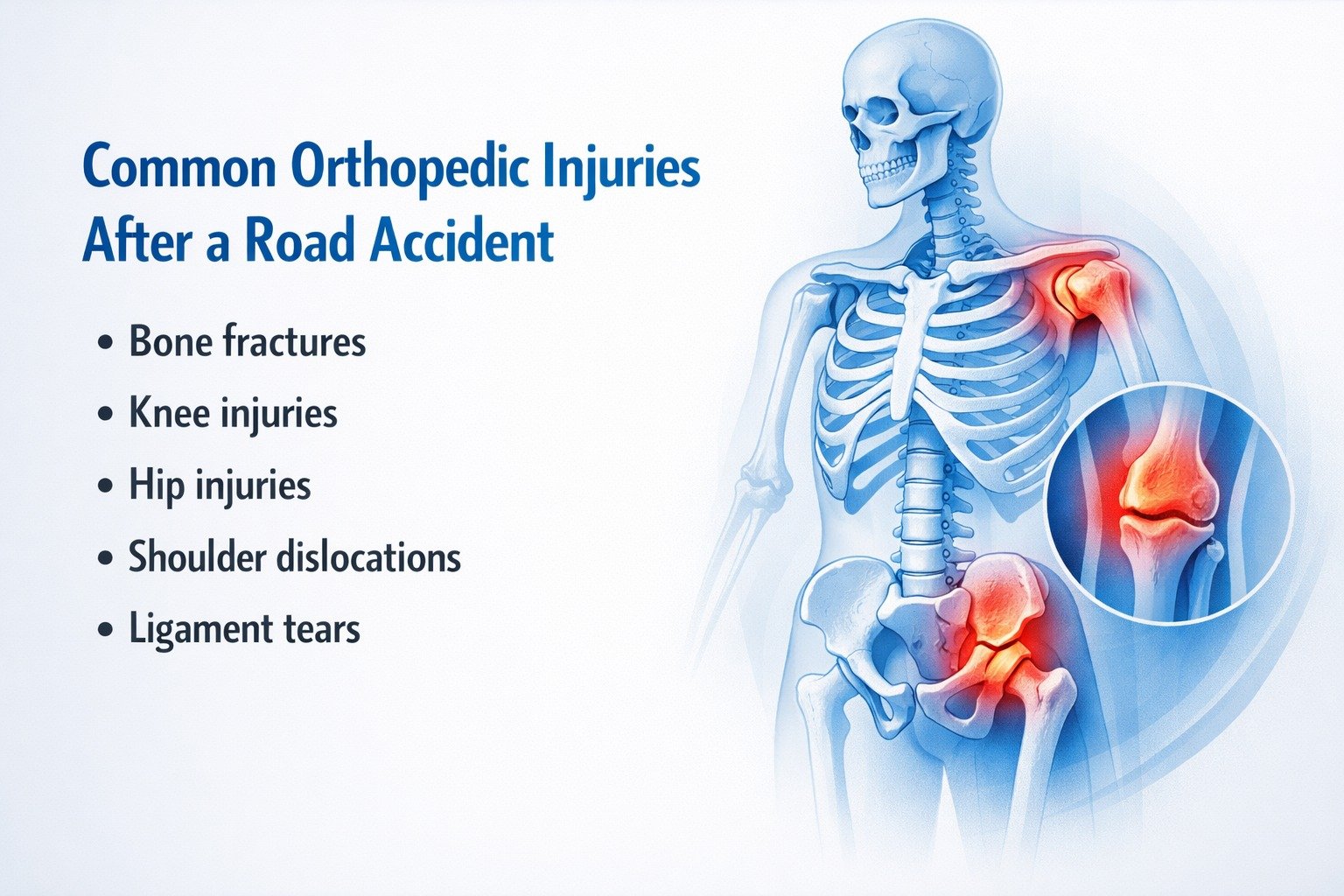
A road accident can affect different parts of the body depending on the impact and severity of the collision. Some of the most common orthopedic injuries include:
- Bone fractures
- Knee injuries
- Hip injuries
- Shoulder dislocations
- Ligament tears
- Muscle strains
- Back and neck injuries
- Joint damage
Even if the injury appears minor, hidden damage may develop into long-term mobility issues if left untreated.
Signs You Should See an Orthopedic Surgeon Immediately
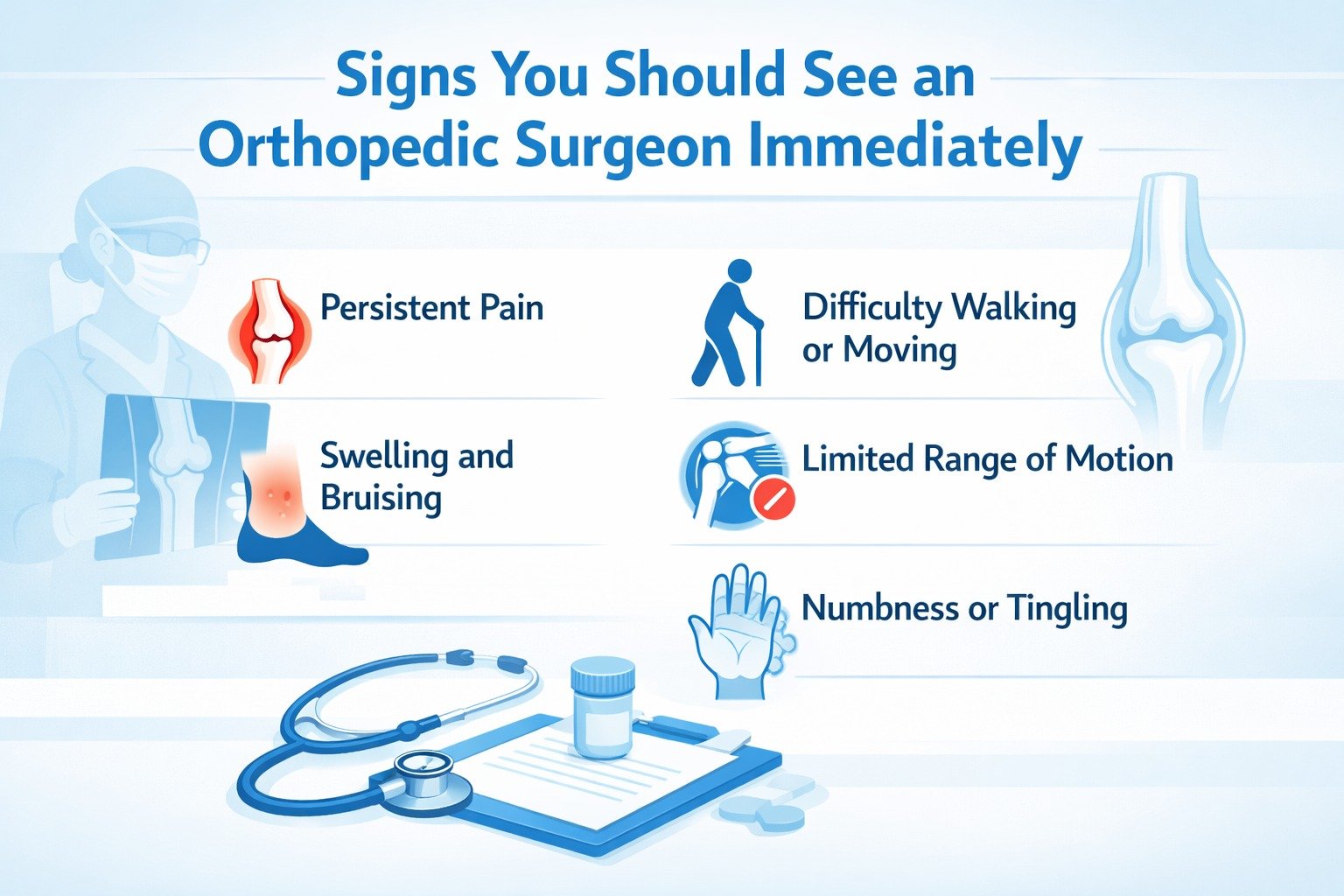
After a road accident, certain symptoms indicate the need for professional orthopedic care. You should consult an orthopedic surgeon if you experience:
Persistent Pain
Pain that continues for several hours or days after an accident should not be ignored. Persistent pain may indicate fractures, ligament injuries, or joint damage.
Swelling and Bruising
Swelling around a joint or bone can signal internal injury. If swelling worsens or limits movement, medical evaluation is necessary.
Difficulty Walking or Moving
Trouble standing, walking, or moving a limb may suggest a fracture or significant soft tissue injury.
Limited Range of Motion
If you cannot bend your knee, rotate your shoulder, or move a joint normally, there may be structural damage that requires treatment.
Numbness or Tingling
Nerve compression caused by spinal or joint injuries can result in numbness, tingling, or weakness in the arms and legs.
Why Early Orthopedic Treatment Matters
Seeking orthopedic care soon after a road accident offers several benefits:
- Accurate diagnosis through imaging tests
- Prevention of long-term complications
- Faster recovery and rehabilitation
- Reduced risk of chronic pain
- Better restoration of mobility and function
Delaying treatment can allow injuries to worsen, making recovery more difficult and increasing the likelihood of permanent damage.
Knee Injuries Following Road Accidents
The knee is one of the most commonly injured joints during road accidents. Sudden impact can damage cartilage, ligaments, tendons, and bones within the knee.
In severe cases where joint damage becomes extensive, patients may eventually require advanced surgical options. Individuals seeking specialized care can consult a Knee Replacement Surgeon in Kandivali for expert assessment and treatment planning.
Modern advancements in orthopedic care have also improved surgical precision. Patients considering advanced joint procedures may benefit from consulting a Robotic Knee Replacement Surgeon in Kandivali to understand available treatment options.
Fractures and Joint Damage
Fractures are among the most serious consequences of road accidents. Broken bones can occur in the arms, legs, hips, wrists, or shoulders.
Joint injuries can also develop when cartilage surfaces become damaged during impact. If conservative treatments fail and joint degeneration progresses, Joint Replacement Surgery in Kandivali may be recommended to restore mobility and reduce pain.
For complex cases requiring specialized expertise, a Joint Replacement Surgeon in Kandivali can evaluate the condition and determine the most suitable treatment approach.
When Surgery May Be Required
Not every road accident injury requires surgery. Many patients recover through medication, physiotherapy, and lifestyle modifications.
However, surgery may be necessary when:
- Fractures are displaced
- Ligaments are completely torn
- Joint surfaces are severely damaged
- Conservative treatment fails
- Chronic pain affects daily activities
Patients experiencing severe knee joint damage may eventually need Knee Replacement Surgery in Kandivali to regain function and improve quality of life.
When selecting a specialist, many patients prefer consulting the Best Knee Replacement Surgeon in Kandivali for comprehensive evaluation and personalized treatment recommendations.
Recovery and Rehabilitation
Recovery after a road accident depends on the type and severity of injury. Rehabilitation typically includes:
- Physical therapy
- Strengthening exercises
- Pain management
- Mobility training
- Lifestyle modifications
Following your orthopedic surgeon’s recommendations is essential for achieving the best possible outcome. Consistent rehabilitation helps restore movement, improve strength, and reduce the risk of future complications.
Choosing the Right Orthopedic Specialist
Finding an experienced orthopedic surgeon is crucial for proper diagnosis, effective treatment, and a smooth recovery after an injury. Whether you are dealing with fractures, joint pain, ligament injuries, or sports-related conditions, consulting the Best Orthopedic Surgeon Mira Road can help ensure accurate diagnosis and personalized care. Dr. Ronak Shah is known for providing advanced orthopedic treatments with a patient-focused approach, helping individuals regain mobility and improve their quality of life. If you are searching for the Best Orthopedic Surgeon Mira Road, visit our orthopedic hospital page to explore comprehensive treatment options and learn more about Dr. Ronak Shah’s expertise, patient success stories, and positive reviews.
Conclusion
Road accidents can cause serious injuries that affect bones, joints, muscles, and ligaments. Understanding Road Accident Injuries: When to See an Orthopedic Surgeon helps patients seek timely medical attention and avoid long-term complications. If you experience persistent pain, swelling, difficulty moving, or any signs of orthopedic injury after an accident, consulting an experienced orthopedic specialist can ensure accurate diagnosis and effective treatment. Early intervention often leads to faster recovery, improved mobility, and better overall outcomes.